
Editorial
Home Education is No Soft Option
But for some children, when done well, it can set them free
Guest Author: Lindsay Brown, Educational Director of Structured Home Learning Ltd
As children across the UK return to school for a new academic year, many families will be looking ahead with optimism. New teachers, new friendships and a fresh start can bring renewed confidence and excitement.
But what about children for whom school has become a source of anxiety, frustration or exclusion? For a growing number of parents, September is not simply the start of another term, but the point at which they begin to ask whether there might be a better way for their child to learn.
Home education - a practical consideration?
Educating your child at home is not for the faint-hearted. You’ll have to source your own materials; you won’t get any financial help from the Local Authority, and you’ll be responsible for keeping your child on-task.
But home education could be the most valuable gift you could ever give your child, liberating them from the strictures of class-based learning and fuelling a love of learning which will last a lifetime. And in the process, you may experience a deepening of your family relationships.
Home education is preferred by parents whose children are not being well served by the school system, either because their educational abilities are much higher or lower than their peers, they have specific learning styles which cannot easily be accommodated in a class of 25-30 pupils, they are neurodiverse, or they’re being bullied – and sometimes it’s a mixture of all these. School can become a normalising experience for many children, where gifted children are not stretched and failing children struggle to catch up; a place where social interactions are often negative.
Home education liberates children to learn at their own pace, in their own way, in a secure environment in which parents (who know their child best) can integrate their children’s education into every aspect of family life. Shopping, cooking, walking the dog, become learning opportunities. Children take responsibility for their own learning, supervised by their parents who are there to encourage, to inspire and to join them in their voyage of discovery.
Estimates suggest around 60,000 children are home educated in the UK, and this has doubled in only 10 years. This compares to around 3.5 million children in the United States, which has seen similar growth.
Compared to most of the rest of the world, UK home education is extraordinarily liberal. In many European countries, home education is strictly outlawed, while in others it’s so tightly controlled in terms of registration, curriculum
and delivery that it offers little in the way of advantages compared to
school.
Home ed UK: history and current stats, how it differs from the rest of the world
Home education is the prerogative of almost every parent in the UK. In most cases, the state will not intervene if you decide to remove your child from school so long as you commit to providing education “full time” and “according to the child’s age and aptitude”. It’s as simple as that. If your child already has an SEN statement, the local authority may have some questions about how you intend to address those special needs, and in Scotland you need the headteacher’s permission, but otherwise it’s your right to withdraw your child.
Full-time is not strictly defined in law, and neither is according to the child’s age and aptitude, leaving you free to formulate your response to your child’s educational needs in the widest possible terms.
The new Children Wellbeing and Schools Act 2026: How does it affect home education?
Changes being introduced over the coming year will establish a mandatory register of all “Children not in School” (CNIS) heralding a somewhat closer supervision of home-educating parents. But these proposed measures really do little more than extend to the home context the oversight which local authorities automatically have of children in school.
The quid pro quo is that the local authority will have a responsibility to provide home educating parents with advice and support. There is no suggestion that the government intends to regulate either the content or the mode of delivery of children’s education outside school.
The impact of Covid: Millions of parents thrust into a home education role
The Covid pandemic, quite apart from the worldwide death toll, was an unmitigated disaster for school-age children. A succession of lockdowns designed to limit the spread of the disease meant that some 8 million UK parents suddenly became home educators by compulsion, not by choice, and without any real support.
Despite the Herculean efforts of some professionals, our children were failed by the government. Faced with incredibly difficult circumstances, primary schools adopted online systems delivering largely insubstantial and completely inadequate content. We will suffer the repercussions of this black hole for many years to come.
The rise of screen-based learning
One of the most marked consequences of the pandemic was the meteoric rise in the application of online training platforms to school-age children. Whilst mastering technology as a tool to enhance learning has an important place in education, screen-based learning is not a replacement for education. Online “schools” proliferated during the early years of this decade, followed by a predatory phase in which a few multinational organisations emerged.
The business model is compelling: Having established an online platform where many children can connect to livestreamed learning sessions from anywhere in the world, linked to automated testing and assessment apps, you can double and quadruple your subscriber base with little increase in costs.
But sitting an 8-year-old in front of a computer screen for three hours a day, watching lessons alongside dozens (even hundreds) of other children looks very much like re-creating the school environment in the home. It has none of the advantages that home education offers – no opportunity for adapting the process to your child’s learning style and pace, no freedom to organise your child’s learning around family commitments, no personal interaction or reinforcement. And, most importantly, there’s no role for the parent - at least, only a very minor role. If you like, it’s home education for parents who want to pretend that their child is still at school.
Home education is not for every child – nor every parent
There are many children for whom home education does not work, mainly due to issues around temperament. And not every parent can commit to providing a home environment conducive to learning in which they can properly supervise and monitor their child’s progress.
But given the right support, children can thrive at home, increase their self-esteem and independence, develop their social and critical thinking skills, and excel academically in ways they could never have done at school.
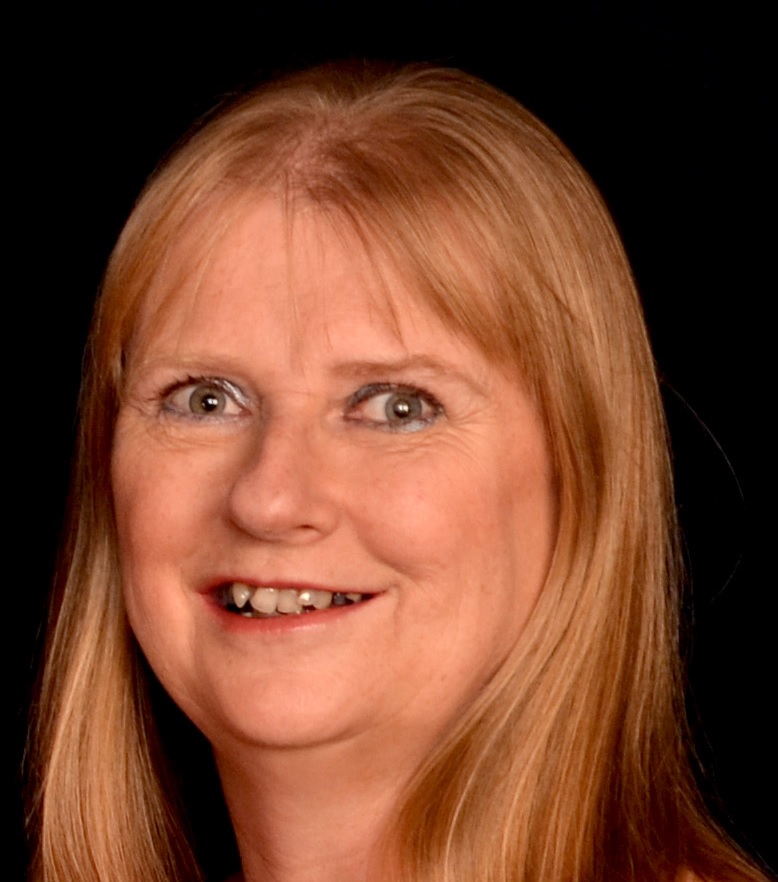
Lindsay Brown, BA (Hons)
Founder and Educational Director of Structured Home Learning
Lindsay has worked in home education since 2005, after teaching in primary schools and educating her two youngest children at home.
Drawing on her degree and teaching qualification, she creates affordable UK curriculum materials, parent guidance and practical work schedules spanning EYFS, Key Stages 1–3 and GCSE.
Why we're featuring this
Home education is no longer a marginal choice. The number of children educated at home in England alone rose from 111,700 to 126,000 in just one year.
For our community of professionals and working parents, it's a timely and thought-provoking subject, raising important questions about education, neurodiversity, family life and whether the traditional school system works for every child.